Magic for Everyone: Why Disney Cruise Line is the Gold Standard for Special Needs Travel

Tyler Edge • April 30, 2026

For families with children who have special needs, the word "vacation" can sometimes feel like a misnomer. Between navigating sensory triggers, managing strict dietary requirements, and ensuring physical accessibility, the logistics can be exhausting.


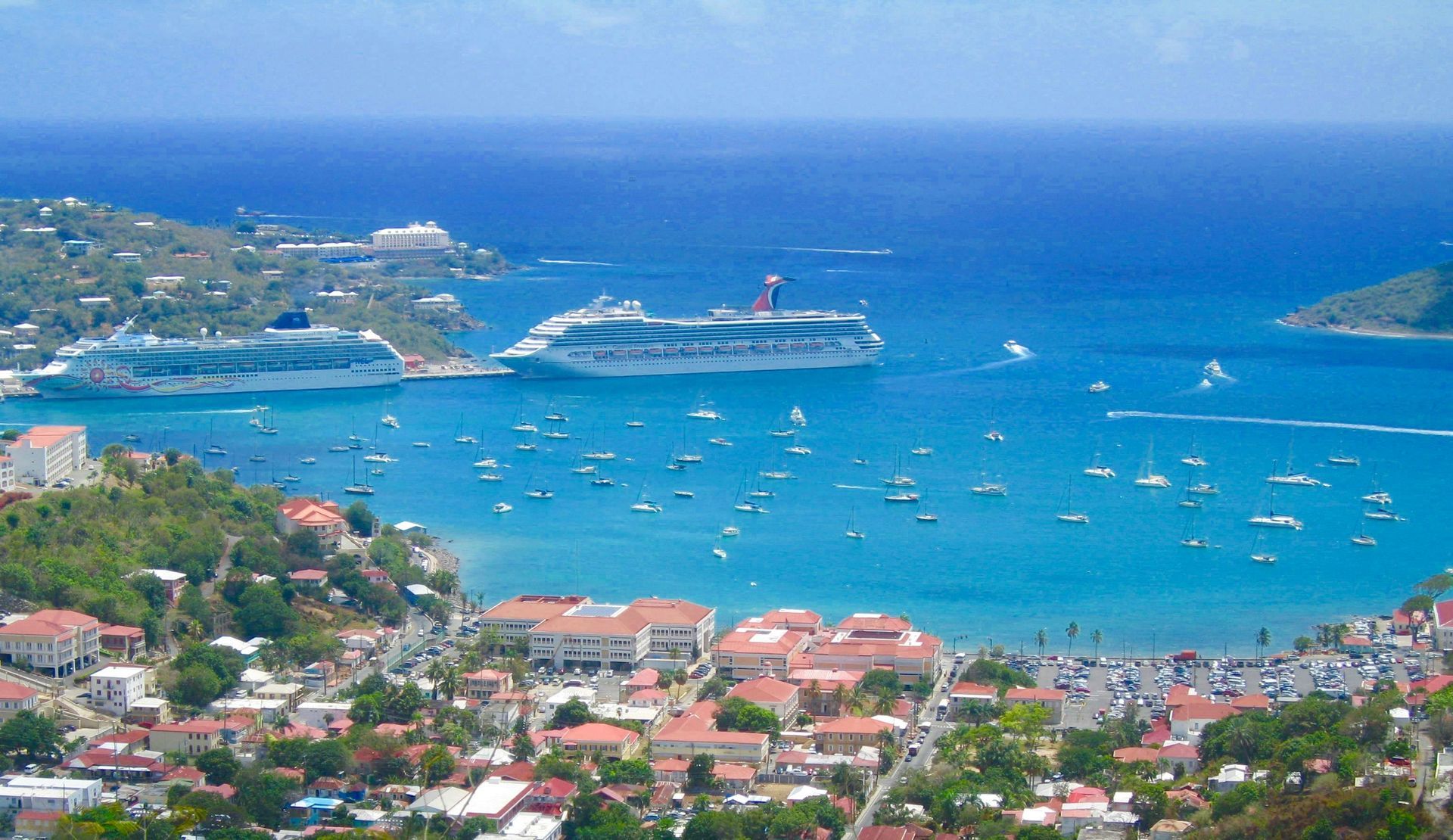
However, Disney Cruise Line (DCL) has built a reputation for turning those hurdles into a seamless experience. In 2026, Disney continues to lead the industry, recently earning a 5/5 accessibility rating from Consumer Reports. Here is why DCL remains the undisputed best option for families traveling with extra magic in tow.


1. The Power of "Rotational Dining"

One of Disney’s most unique features is Rotational Dining, where you move to a different themed restaurant each night, but your serving team stays with you.

  • Consistency is Key: For children who thrive on routine or have social anxieties, seeing the same friendly faces every night is a game-changer.
  • Anticipatory Service: Your servers quickly learn your child’s specific needs—whether it’s having a glass of apple juice waiting the moment you sit down or knowing exactly how to handle a specific food allergy without you having to re-explain it at every meal.
  • Dietary Safety: Disney is world-renowned for its allergy protocols. Chefs often visit the table personally to discuss safe options, and you can even pre-order meals for the following day to ensure they are ready the moment you arrive.


2. Sensory-Friendly Spaces and "Quiet" Accommodations

Disney understands that a ship full of 4,000 people can be overstimulating. They have integrated several "pressure valves" to help families manage sensory overload:

  • Family Movie Fun Time: The Buena Vista Theatre hosts screenings with the lights turned up and the volume turned down, creating a judgment-free zone where kids can move around or vocalize without stress.
  • Virtual Queues: DCL uses modern technology to minimize time spent in dense, loud lines. For character meet-and-greets or dining, families can often wait in quieter, climate-controlled areas until their turn arrives.
  • Stateroom Sanctuaries: 3% of staterooms are fully ADA-compliant, featuring widened doorways and roll-in showers. Even standard rooms are designed with heavy soundproofing, offering a true "quiet zone" for midday resets.


3. Inclusive Youth Clubs

The Oceaneer Club and Oceaneer Lab (ages 3–10) are more than just daycare; they are highly themed, immersive environments.

  • Open House Hours: Every cruise offers "Open House" times where parents can stay with their children in the clubs. This allows kids to acclimate to the environment with their "safe person" before trying a drop-off session.
  • Trained Counselors: Youth counselors are trained to work with children of all abilities. While they cannot provide one-on-one care, they are experts at redirecting children to quiet activities like Model Magic or iPads if the group energy becomes too high.
  • Safety First: Children wear an "Oceaneer Band" (RFID bracelet), allowing staff to locate them instantly and enabling parents to be paged via the Navigator App if their child needs them.


4. Accessible Island Paradises

Disney’s private destinations, Castaway Cay and the new Lookout Cay at Lighthouse Point, set the gold standard for outdoor accessibility:

  • Paved Pathways: Unlike many tropical ports where wheelchairs get stuck in the sand, Disney’s islands feature extensive paved paths.
  • Sand Wheelchairs: Complimentary all-terrain wheelchairs with balloon tires are available on a first-come, first-served basis, allowing everyone to get right down to the water’s edge.
  • Accessible Trams: The island transportation systems are equipped with ramps to accommodate mobility devices easily.


5. Pre-Cruise Support: The "Special Services" Team

The magic actually starts 60 days before you sail. Disney’s dedicated Special Services team works with families to arrange:


  • Sharps containers or distilled water for medical equipment.
  • Specialized seating for Broadway-style shows.
  • Assistance with the mandatory emergency drill to ensure it isn't overwhelming.
Pro Tip: Download the "My Disney Cruise" printable activity booklet from the DCL website before you leave. It’s a visual social story that helps children understand exactly what to expect—from the x-ray machines at the terminal to the sound of the ship’s horn.

The Bottom Line: On a Disney cruise, your child isn't "the kid with the allergy" or "the kid in the wheelchair"—they are simply a Guest. That shift in perspective is what makes Disney the best choice for a truly relaxing family vacation.

By Tyler Edge May 21, 2026
The Price of Wanderlust: Navigating the Surge in Travel Costs & The Ultimate Booking Dilemma If your recent attempts to map out a vacation have yielded a severe case of sticker shock, you are far from alone. Across the global travel sector, prices have skyrocketed to historic highs. Whether you are eyeing local weekend getaways or transatlantic expeditions, the mathematical equation of booking travel has fundamentally changed. From compounding geopolitical crises to underlying core structural shifts in global finance, travel is no longer just a logistical puzzle—it has turned into a calculated risk. For consumers, this leaves a looming question: Should you book your future itineraries immediately to hedge against further spikes, or wait it out in hopes that the economic cloud clears and prices tumble? Below is an in-depth breakdown of what is driving this surge, an analysis of the "book now vs. wait" dilemma, and a strategic playbook for your next trip. Anatomy of the Surge: Why Travel is So Costly Right Now The rapid inflation of travel costs cannot be blamed on a singular variable. Instead, the industry is witnessing a perfect storm of intersecting economic pressures that have driven corporate operating costs to the brink, forcing travel networks to pass the bill to the traveler. 1. The Energy Crisis & Skyrocketing Jet Fuel Fuel remains an airline’s single largest operating variable, typically comprising 25% to 35% of total expenses. Driven by major disruptions in global oil supplies and heightened instability across Europe and the Middle East, regular gasoline and commercial jet fuel costs have soared. When regional conflicts spike energy indices, airlines have minimal options: they must scale back marginal flight schedules or instantly raise passenger base fares to insulate their profit lines. In recent economic prints, the consumer price index showed airfares a staggering 20.7% higher year-over-year. 2. Unpredictability and the K-Shaped Economy The current macroeconomic state introduces severe unpredictability. Overall consumer sentiment is divided, behaving like a "K-shaped" split. While lower-income brackets are pulling back on non-essential costs due to broader inflationary pressures, higher-income households continue to aggressively prioritize premium leisure travel, keeping demand historically sticky. Because affluent spending has not flinched, airlines and luxury resorts have felt zero pressure to drop baseline prices. 3. Operational Bottlenecks & Capacity Reductions Airlines are navigating critical routing bottlenecks. Airspace restrictions have forced carriers to utilize longer, circuitous routes that burn exponentially more fuel per flight hour. Coupled with systemic pilot shortages and delayed aircraft deliveries from primary manufacturing giants, airlines are intentionally constraining seat capacity. When fewer seats are available, the elementary laws of supply and demand drive prices up. The Cost Breakdown At-A-Glance Commercial Airfare: 📈 +20.7% YoY | Catalysts: Jet fuel costs, restricted global airspace routing. Hotel Lodging: 🏨 +4.3% YoY | Catalysts: Labor shortages, increased hospitality service wages. Intracity Transit (Trains/Buses): 🚊 +5.6% YoY | Catalysts: Urban diesel/gasoline price hikes. Dining Out: 🍽️ +3.6% YoY | Catalysts: Supply chain inflation and ingredient costs. The Great Dilemma: Book Future Travel Now or Wait? With travel expenses moving continuously upward, consumers find themselves locked in a classic behavioral economic puzzle. Let's analyze both pathways using current industry data. The Case for Booking Now Inflationary Protection: Booking immediately locks down a fixed cash rate. If energy costs proceed on their current upward trajectory due to geopolitical escalation, a ticket purchased today serves as an excellent hedge against next month's fuel surcharges. Capacity Allocation: With routes constrained and major events anchoring demand, waiting around runs the risk of getting completely boxed out of preferred departure times or optimal hotels. The 21-Day Penalty: Modern algorithmic dynamic pricing models have eradicated the classic paradigm of "last-minute cheap seats." Waiting past the 21-day domestic booking window often triggers automatic 10% to 50% pricing penalties. The Case for Waiting Demand Redistribution: Economists indicate that the continuous financial pinch will inevitably force a segment of consumers to stay closer to home. If consumer exhaustion hits a tipping point later this year, airlines will be forced to roll out flash sales to fill empty seats. Hyper-Localized Softening: While airfare is aggressively elevated, certain structural pockets like rental cars and specific domestic hotel chains have seen marginal single-digit contractions as road-trip travel peaks and stabilizes. The Strategic Playbook: How to Plan Smart Because predictability remains low, the smartest course of action is not to stop traveling altogether, but to change howyou book. Implement these risk-mitigation tactics to navigate volatile pricing environments smoothly: Adopt the "Buy & Track" Strategy: Focus heavily on purchasing refundable or flexible fares. Book at a price point you can tolerate today. If the market takes an unexpected downturn and fares drop, use automated tracking tools to cancel, rebook at the lower rate, and claim the difference as an airline credit. Avoid restrictive Basic Economy fares that lock you into your price permanently. Embrace Shorter-Duration and Regional Destinational Shifts: Rather than forcing multi-leg, complex international itineraries that maximize exposure to surging jet fuel surcharges, transition to localized hub-and-spoke trips. Micro-vacations and regional getaways drastically reduce transit spend. Hedge Cash via Strategic Points and Miles Redemptions: Cash prices are highly exposed to market volatility, but award charts can occasionally lag behind cash inflation. Use credit card transferable points to buffer cash outlays, but act swiftly—loyalty programs are actively adjusting points valuations upward to match corporate trends. Prioritize Midweek Windows over Peak Demand: Booking travel windows on Tuesdays, Wednesdays, and Saturdays remains the cleanest mechanical approach to dodging the highest dynamic surge pricing brackets implemented by algorithmic software. The Final Verdict Do not wait for a massive structural market collapse that brings back cheap travel. The combination of structural energy transitions, geopolitical instability, and steady high-earner demand means elevated travel prices are structural, not temporary. The optimized path is to Book Now, but build in maximum flexibility. Lock down your foundational travel inventory early to safeguard availability, but rely exclusively on Main Cabin tickets that permit free modifications. This gives you a hard ceiling on what you will pay, while preserving a financial escape hatch if prices do soften later down the road.
Painted rock with three blue birds perched on a branch.
By Tyler Edge March 1, 2026
Most of my life multiple times a year I was unknowingly fueled the passion for adventure and exploration. It was family vacations to historical cities and sights like Boston and Williamsburg, or Gettysburg and Yosemite, and anything else in between. Different theme parks like Cedar Point, Disneyland California, or Six Flags. Zooming up I-95 for a family event for what ever it may be, as a child being the passenger and eventually being of age to drive myself back. So one would think with the passion for travel, writing a blog would be super simple..right? Most of my clearest memories growing up were traveling, wherever the destination may be it was somewhere special to me. But yet, nothing was standing out to me to write about. I didn't want to just write something to write, it had to have some meaning. It's my first official post on my journey on being a travel agent, and on Thursday February 26, 2026...I found it.
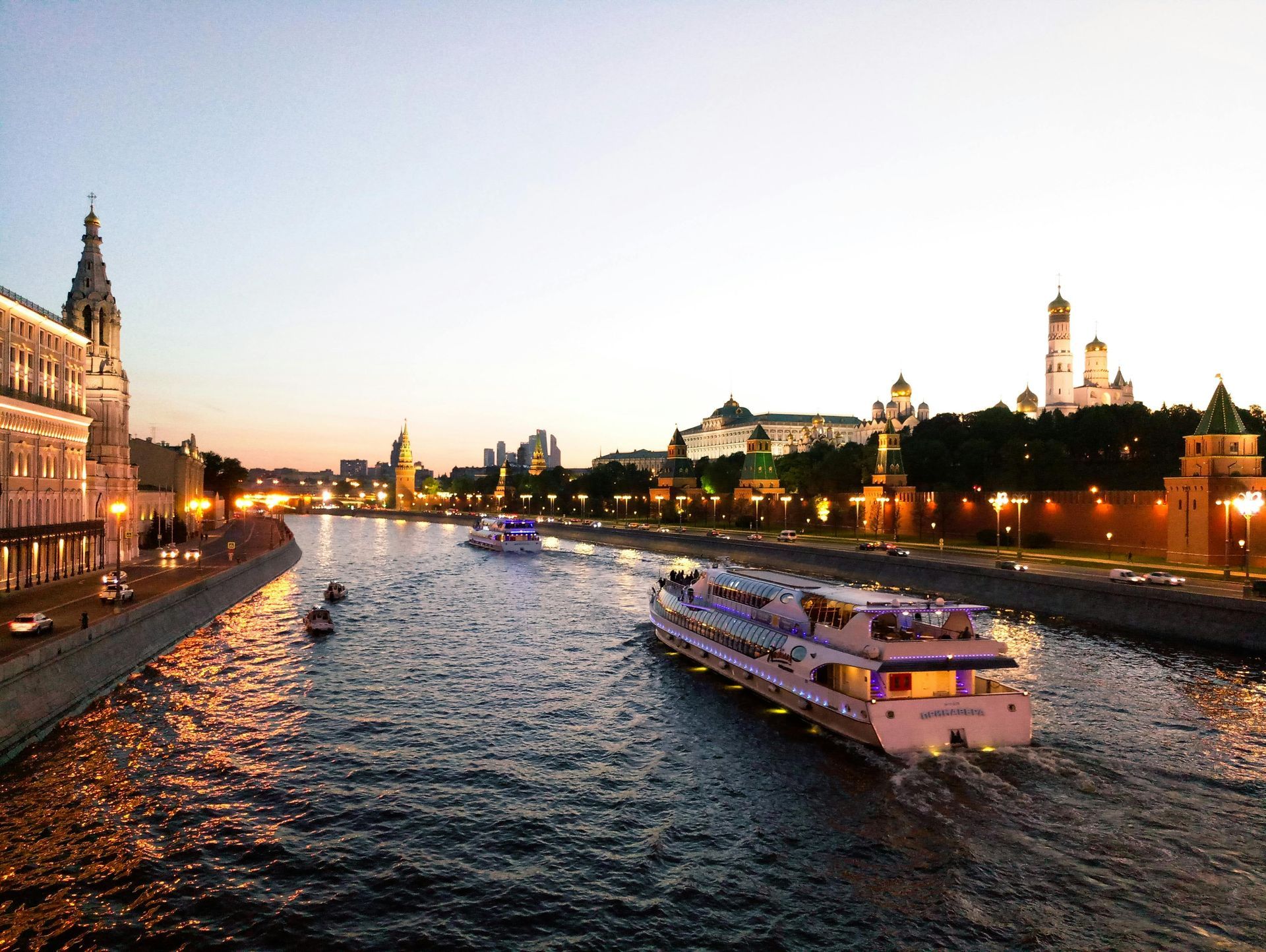
Boats on a river with lit buildings and Kremlin in background at dusk.
By JW Block September 3, 2024
River cruising has become an increasingly popular way to explore Europe, and for good reason. This article delves into why river cruises offer a unique and enriching travel experience. Unlike ocean cruises, river cruises provide intimate access to some of Europe’s most picturesque towns, historic landmarks, and cultural hubs.
Two people sit on a rock near a waterfall, one photographing the other.
By JW Block September 3, 2024
Sustainable travel is no longer just a trend—it's a necessity. But does going green mean giving up luxury and comfort? Not at all! This blog explores practical ways to minimize your environmental impact while still enjoying a comfortable and memorable vacation.
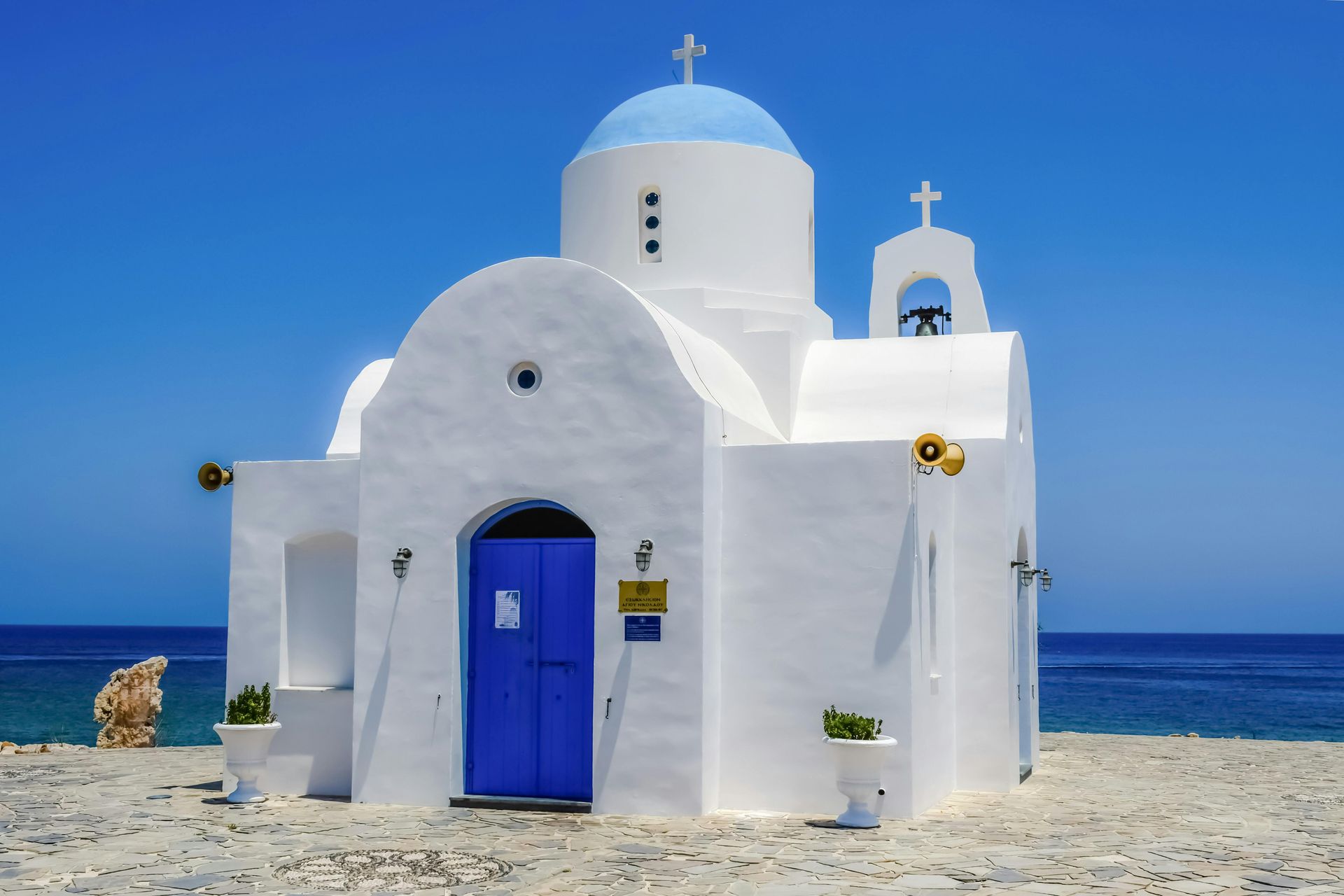
White church with a blue dome and door against a clear blue sky, next to the sea.
By JW Block September 3, 2024
The Mediterranean is more than just its popular tourist destinations like Rome, Santorini, and Barcelona. In this article, we uncover ten lesser-known but equally captivating spots that offer a unique blend of history, culture, and natural beauty.